Instituto Allende Casa Museo
La historia de San Miguel contada por su gente
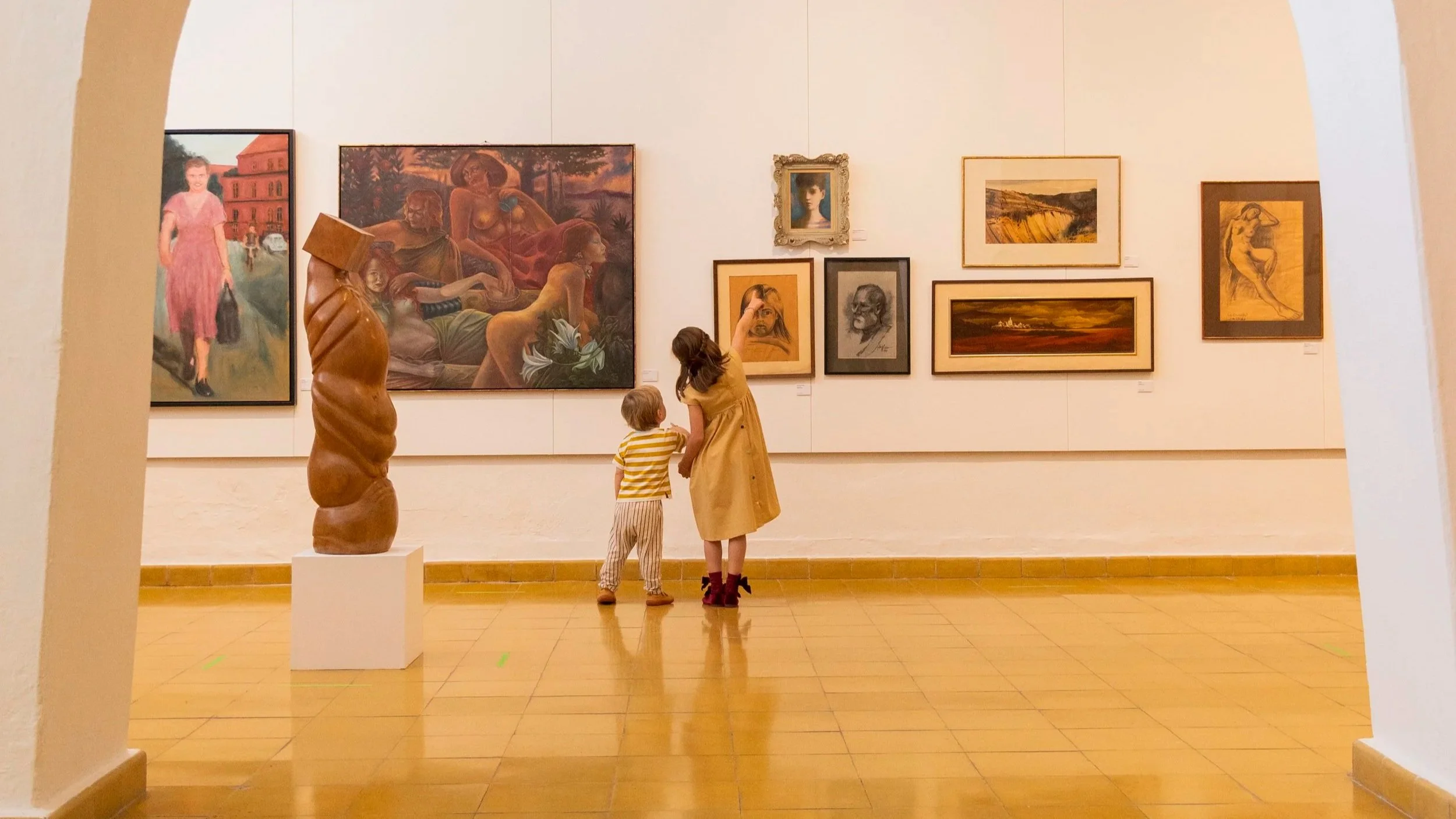
EL INSTITUTO ALLENDE CASA MUSEO NACE DE UNA INVESTIGACIÓN PROFUNDA SOBRE LA HISTORIA DE SAN MIGUEL DE ALLENDE, PERO SU ORIGEN TRASCIENDE CUALQUIER PROYECTO MUSEÍSTICO CONVENCIONAL. LO QUE EMPEZÓ COMO UN EJERCICIO LITERARIO SE CONVIRTIÓ EN LA OPORTUNIDAD DE CONSTRUIR UN MUSEO VIVO, COMUNITARIO Y EDUCATIVO.
El Instituto Allende Casa Museo es hoy uno de los proyectos culturales más significativos de San Miguel de Allende y no nació como un museo planificado desde la museografía, sino que es el resultado de una profunda investigación histórica iniciada para la creación de un libro. Bajo la dirección del Lic. Jaime Fernández Martínez Harris, el objetivo inicial era documentar momentos clave de la historia local. Sin embargo, el proceso pronto reveló que la memoria de San Miguel no podía captarse únicamente en páginas: debía vivirse y compartirse.
Los principios curatoriales incluyen la custodia de memorias diversas, con una visión clara de igualdad de acceso al patrimonio para todo el pueblo.
EL PROCESO DE CATALOGACIÓN DE OBJETOS RESULTÓ COMPLEJO DEBIDO AL RÁPIDO CRECIMIENTO DE LA COLECCIÓN REUNIDA DURANTE LA INVESTIGACIÓN.
La investigación se alimentó de innumerables entrevistas, visitas y conversaciones con habitantes de la ciudad. Fueron estas voces las que, a través de sus relatos, documentos, recuerdos y miradas personales, revelaron un elemento decisivo: los objetos. Los sanmiguelenses comenzaron a mostrar piezas que daban cuerpo y sentido a sus historias: utensilios cotidianos, artefactos preindustriales, objetos virreinales, fotografías y reliquias familiares. Cada uno era un fragmento del pasado que, en conjunto, exigía un espacio para contar su historia. Así surgió la colección del museo, una memoria material que complementa la narrativa del libro y ofrece una lectura tangible del devenir histórico de la ciudad.
UN MUSEO CONSTRUIDO CON Y PARA LA COMUNIDAD
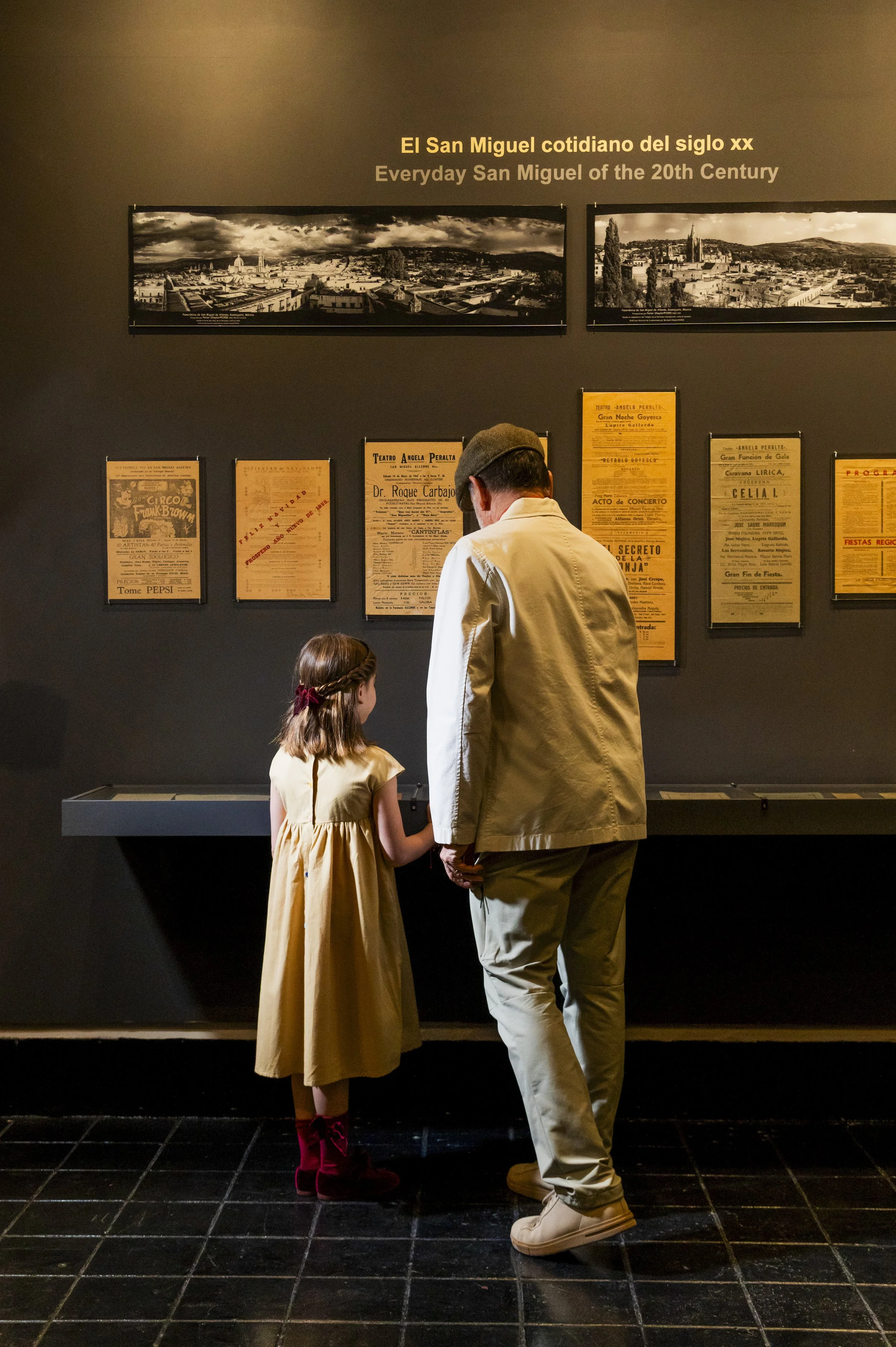
Con la colección en crecimiento, se impuso la necesidad de catalogar y registrar los objetos, pero también de exponerlos. La historia tenía que regresar al pueblo que la había compartido. Fue entonces cuando el proyecto adquirió una dimensión museística moderna, basada en principios contemporáneos: inclusión, diversidad, accesibilidad y participación. Se asumió que el museo del siglo XXI no solo preserva objetos, sino que también actúa como un agente de regeneración social, fomentando el diálogo, la reflexión y la cohesión comunitaria. El diseño del proyecto se concibió bajo cuatro pilares fundamentales:
• Espacio polifónico: un museo que refleja la diversidad cultural de San Miguel, desde sus raíces indígenas hasta su identidad contemporánea.
• Diálogo reflexivo: un foro para pensar el pasado como herramienta para comprender los retos del presente y del futuro.
• Custodia de memoria diversa: reconocimiento de que el patrimonio pertenece a toda la comunidad, no solo a quienes lo resguardan.
• Agente participativo: una institución que trabaja sin ánimo de lucro, en colaboración con la población, para reunir, investigar, interpretar y difundir la historia regional.
UN EDIFICIO QUE TAMBIÉN NARRA
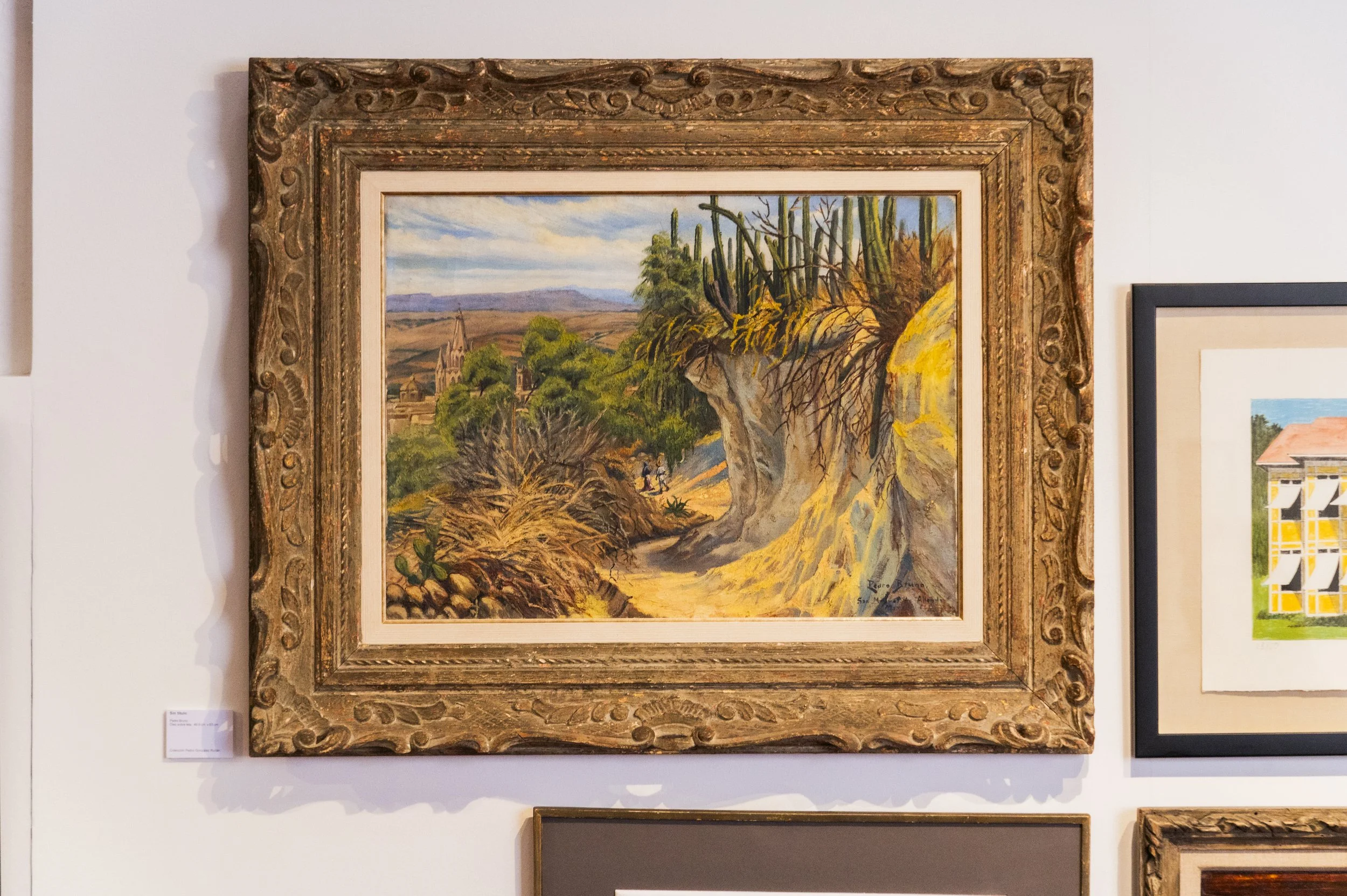
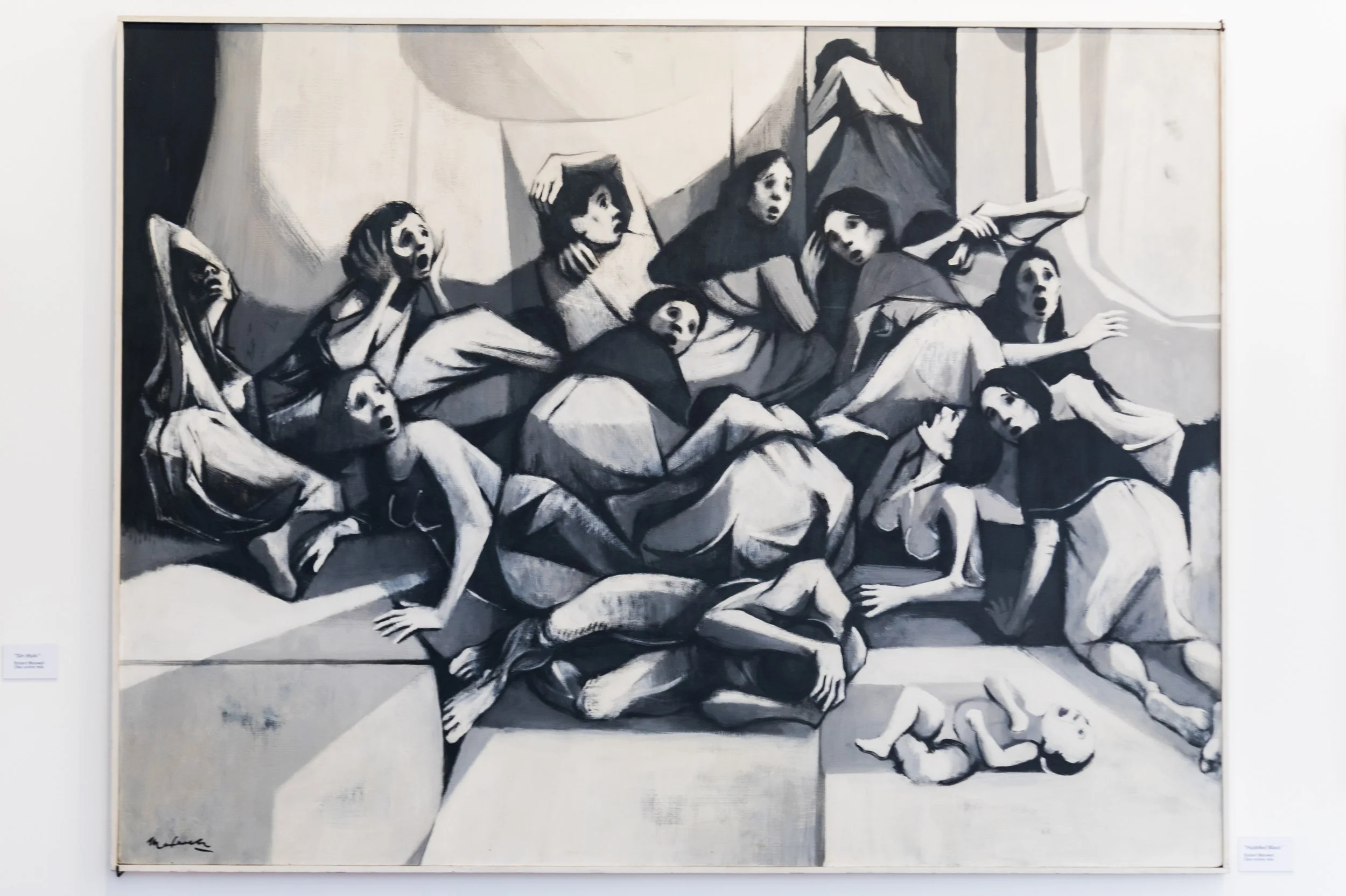
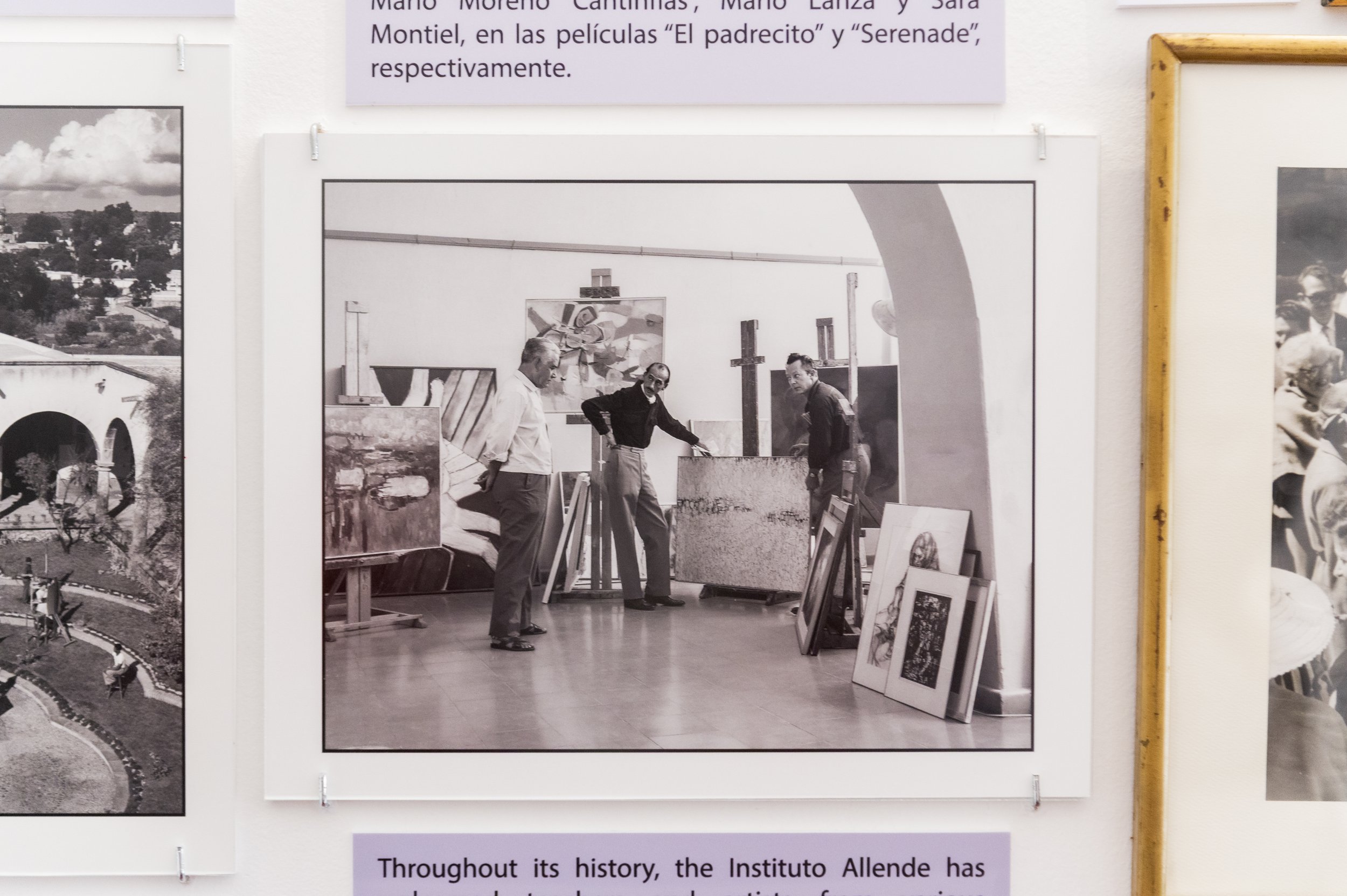
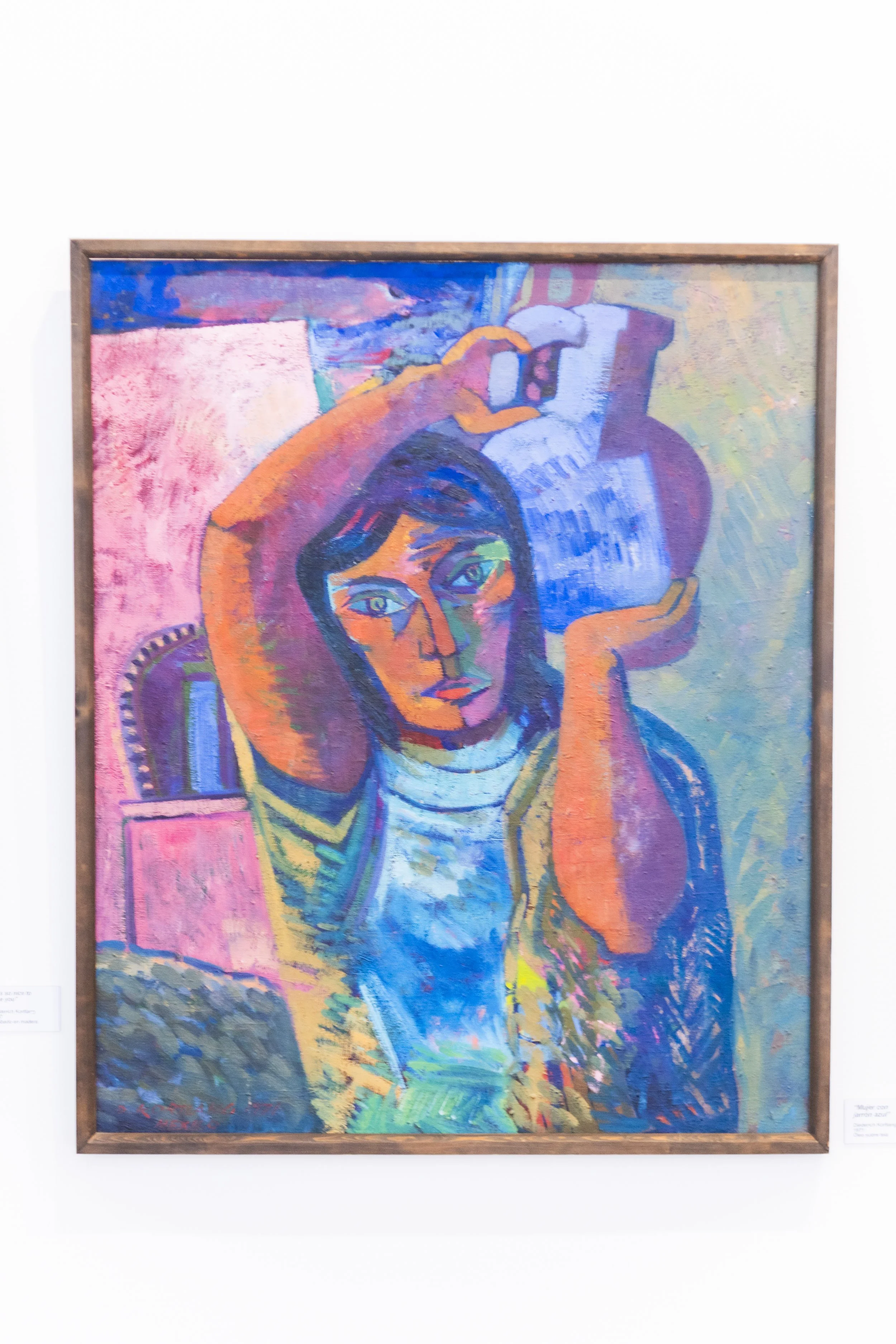
El lugar elegido para albergar el museo no es casual: el histórico edificio del Instituto Allende, en la Ancha de San Antonio, es un testimonio vivo de la evolución cultural de la ciudad. Construido en la primera mitad del siglo XVIII por Manuel Tomás de la Canal como casa-hacienda, conserva elementos esenciales de la arquitectura virreinal, como patios, corredores, una capilla doméstica y muros de cal y canto. A lo largo del tiempo, el inmueble cambió de uso: fue obraje, proyecto inconcluso de convento y, desde 1950, sede de una de las escuelas de arte más influyentes del país. Bajo el impulso de Enrique Fernández Martínez, Nell Harris, Stirling Dickinson y Felipe Cossío del Pomar, el Instituto Allende se convirtió en un punto de encuentro internacional para artistas, escritores e intelectuales. Figuras como Rufino Tamayo, Joy Laville, Reva Brooks, Allen Ginsberg o el Premio Nobel Octavio Paz pasaron por sus aulas y patios. Sus muros también fueron escenario de filmaciones y hogar temporal de celebridades del cine mexicano y del hollywoodense. Hoy, esta arquitectura enmarca un museo que honra esa genealogía artística al tiempo que introduce una lectura contemporánea del patrimonio sanmiguelense.
UN MUSEO CON VISIÓN DE FUTURO
La misión del Instituto Allende Casa Museo es difundir los saberes históricos, artísticos, culturales y naturales de San Miguel, integrándolos en un contexto nacional e internacional. Su visión lo proyecta como el foro más importante de la ciudad para concentrar y compartir sus múltiples manifestaciones patrimoniales.
Para lograrlo, el museo ha establecido un modelo dinámico de exhibiciones, en el que presenta tres exposiciones temporales al año, que permiten abordar temas coyunturales y renovar la oferta cultural. Y exposiciones permanentes, revisadas semestralmente, que presentan la colección desde perspectivas diversas.
El objetivo no es solo mostrar objetos, sino generar la revalorización del patrimonio material e inmaterial de la ciudad, construyendo conciencia colectiva. Cada sala busca evitar la presentación aislada de piezas, apostando por narrativas contextualizadas que conecten el pasado y el presente.
El desafío y la oportunidad están en ampliar la audiencia: del visitante adulto y extranjero previo a la pandemia, hacia públicos jóvenes, familias y habitantes locales que reconozcan el museo como suyo.
Un espacio vivo para la memoria
El Instituto Allende Casa Museo no se concibe como un repositorio pasivo, sino como un espacio de encuentro donde historia, arte y comunidad se entrelazan. Es un puente entre lo tangible y lo intangible, entre las voces del pasado y la mirada del presente. Un museo que, desde la solidez de su legado, invita a la reflexión y al diálogo para construir juntos el futuro cultural de San Miguel de Allende.
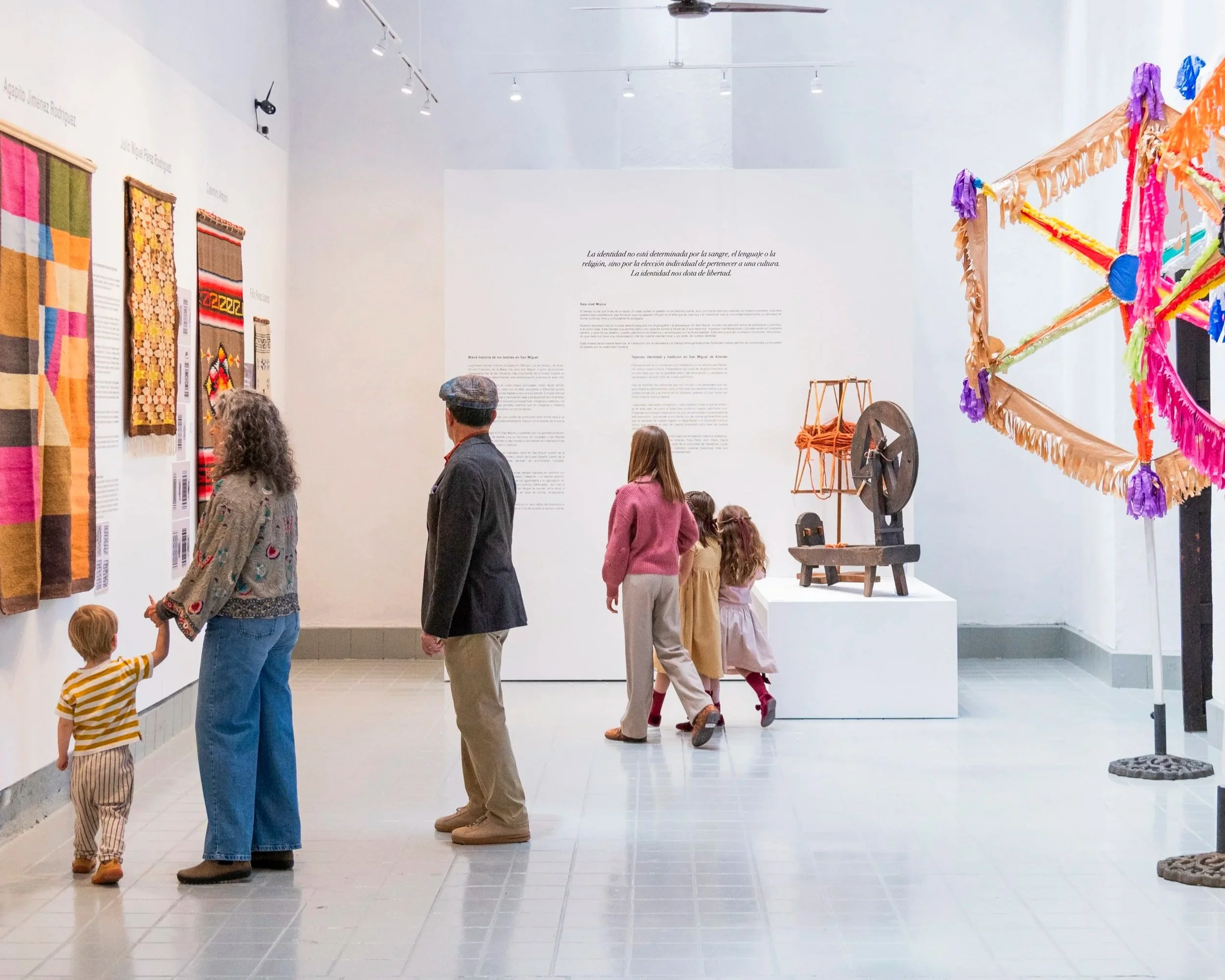
The history of San Miguel, told by its people
The Instituto Allende Casa Museo began with detailed research into San Miguel de Allende’s history, but its beginnings go beyond those of a typical museum. e became an opportunity to build a living, community-based, educational museum.
Today, the Allende House Museum Institute stands as one of San Miguel de Allende’s most important cultural projects. It did not start as a traditional museum, but as a result of deep historical research for a book. Led by Jaime Fernández Martínez Harris, the first goal was to record key moments in local history. Soon, it became clear that San Miguel’s memory could not be kept only in a book—it needed to be experienced and shared.
The curatorial principles include the preservation of diverse memories and a clear vision of equal access to heritage for all people.
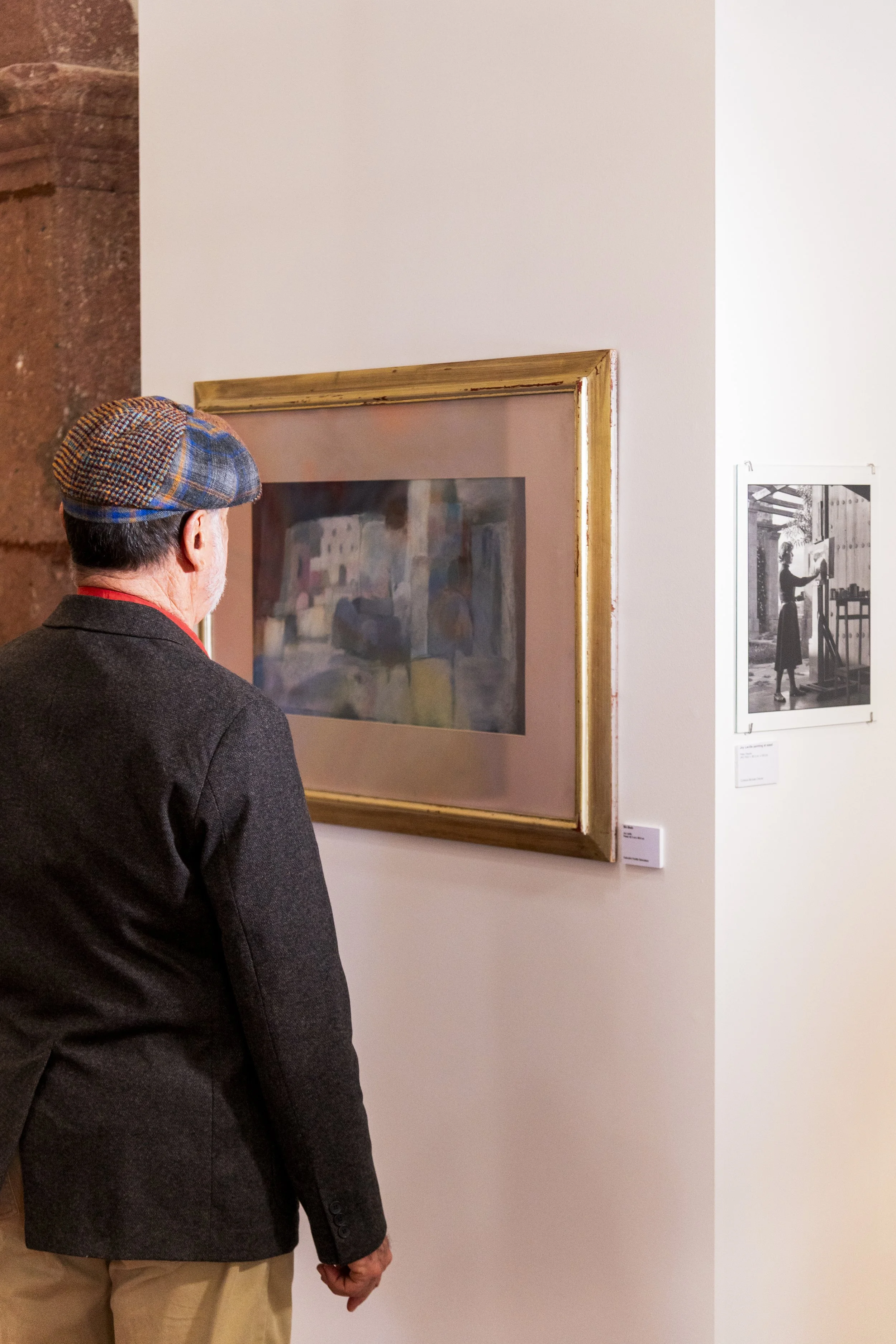
The process of cataloging objects proved complex due to the rapid growth of the collection assembled during the research.
The research included many interviews, visits, and conversations with people from the city. Through their stories, documents, memories, and views, one key element stood out: objects. Residents began sharing items that brought their stories to life, such as everyday tools, old artifacts, colonial pieces, photos, and family heirlooms. Each item was a piece of the past, and together, they needed a place to be shared. This is how the museum’s collection began, adding a physical side to the book’s story and giving a real look at the city’s history.
A MUSEUM BUILT WITH AND FOR THE COMMUNITY
As the collection got bigger, it became important to catalog and register the objects, and also to show them to the public. The history needed to go back to the people who shared it. At this point, the project became a modern museum, guided by today’s values like inclusion, diversity, accessibility, and participation. The idea was that a museum today should not just keep objects safe, but also help bring people together, encourage conversation, and strengthen the community. The project is built on four main ideas:
• Polyphonic space: The museum shows the cultural diversity of San Miguel, from its indigenous beginnings to its modern identity.
• Reflective dialogue: It is a place to think about the past and use it to understand today’s and tomorrow’s challenges.
• Custodian of diverse memory: The museum recognizes that heritage belongs to everyone in the community, not just those who protect it.
• Participatory agent: As a non-profit, the museum works with local people to collect, study, explain, and share the region’s history.
A BUILDING THAT ALSO TELLS A STORY
The museum’s location was carefully chosen. The historic Instituto Allende building on Ancha de San Antonio is a living example of the city’s cultural growth. Built in the early 1700s by Manuel Tomás de la Canal as a hacienda, it still has key features of colonial architecture, like courtyards, hallways, a chapel, and limestone walls. Over the years, the building served many purposes: it was a workshop, an unfinished convent, and, since 1950, the home of one of Mexico’s top art schools. Thanks to people like Enrique Fernández Martínez, Nell Harris, Stirling Dickinson, and Felipe Cossío del Pomar, the Allende Institute became a global meeting place for artists, writers, and thinkers. Well-known figures such as Rufino Tamayo, Joy Laville, Reva Brooks, Allen Ginsberg, and Nobel Prize winner Octavio Paz spent time there. The building also hosted film shoots and was a temporary home for both Mexican and Hollywood stars. Today, this historic building houses a museum that respects its artistic past and brings a modern view of San Miguel’s heritage.
A MUSEUM WITH A VISION FOR THE FUTURE
The Instituto Allende Casa Museo’s mission is to share San Miguel’s history, art, culture, and natural heritage, connecting it with both national and international audiences. Its vision is to become the city’s main place for gathering and sharing all aspects of its heritage. To reach this goal, the museum offers three temporary exhibitions each year, letting it cover current topics and keep its cultural program fresh. It also has permanent exhibitions, updated every six months, to show the collection in new ways.
The museum is conceived as an agent of social regeneration, a function explicitly discussed in the analysis of regional and global museology.
The goal is not just to show objects, but to help people see the value of both the city’s physical and cultural heritage, building shared understanding. Each room avoids showing items alone and instead tells stories that link the past with the present. The museum now aims to reach a wider audience. Before the pandemic, most visitors were adults from other countries. Now, the goal is to welcome young people, families, and local residents who see the museum as part of their community.
The museum now aims to reach a wider audience. Before the pandemic, most visitors were adults from other countries. Now, the goal is to welcome young people, families, and local residents who see the museum as part of their community.
A living space for memory
The Instituto Allende Casa Museo is not just a place to store objects. It is a space where history, art, and community come together. The museum connects the physical and the unseen, linking voices from the past with today’s perspective. It uses its strong legacy to invite everyone to reflect, talk, and help shape San Miguel de Allende’s cultural future.